
The proposal came amid a stalemate in cease-fire negotiations between the United States and Iran.
The main points of contention include Iran’s nuclear program, which the US and Israel see as the threat that led to the start of the war against Iran, or the reopening of the strategic Strait of Hormuz, which is key to the export of oil from the Persian Gulf. The strait was closed by Tehran in response to US-Israeli strikes, and the United States in response launched a naval blockade of Iran in an attempt to limit its income from the sale of oil.
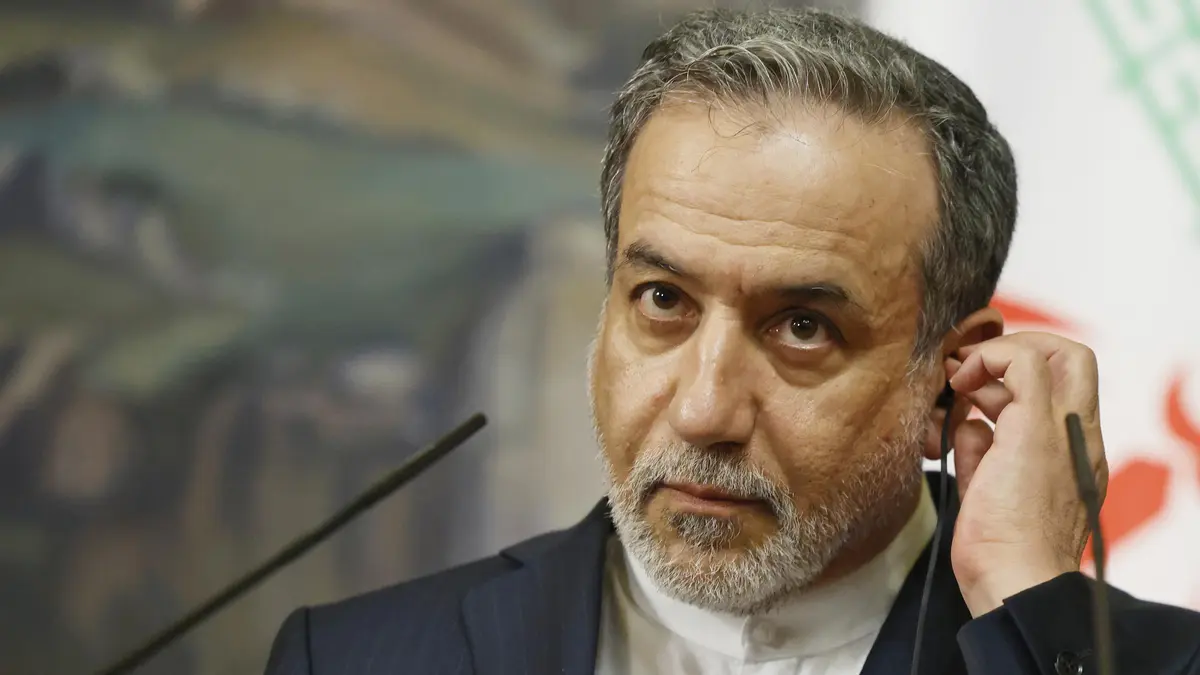
Foreign Minister Abbas Arákčí told Pakistani, Egyptian, Turkish and Qatari mediators over the weekend that there is no consensus within the Iranian leadership on how to address US demands. Washington wants Iran to suspend uranium enrichment for at least ten years and get rid of all the enriched uranium it has, writes Axios.
Iran, in turn, demands an immediate end to the American blockade of Iranian ports, otherwise it threatens a military response. Iranian President Masoud Pezeshkyan told Washington that Tehran will not participate in negotiations if they are conducted under pressure and threats and during the blockade of the ports.
Tehran is also divided. More moderate factions, which could strive for a certain form of opening to the world, with a hard core, presented by the Revolutionary Guards, for example, are fighting among themselves. They promote an ideologically clean and confrontational policy.
Since April 8, a truce has been in effect between Iran and the US, which was originally two weeks long before Trump extended it until Tehran submits a peace proposal.
