
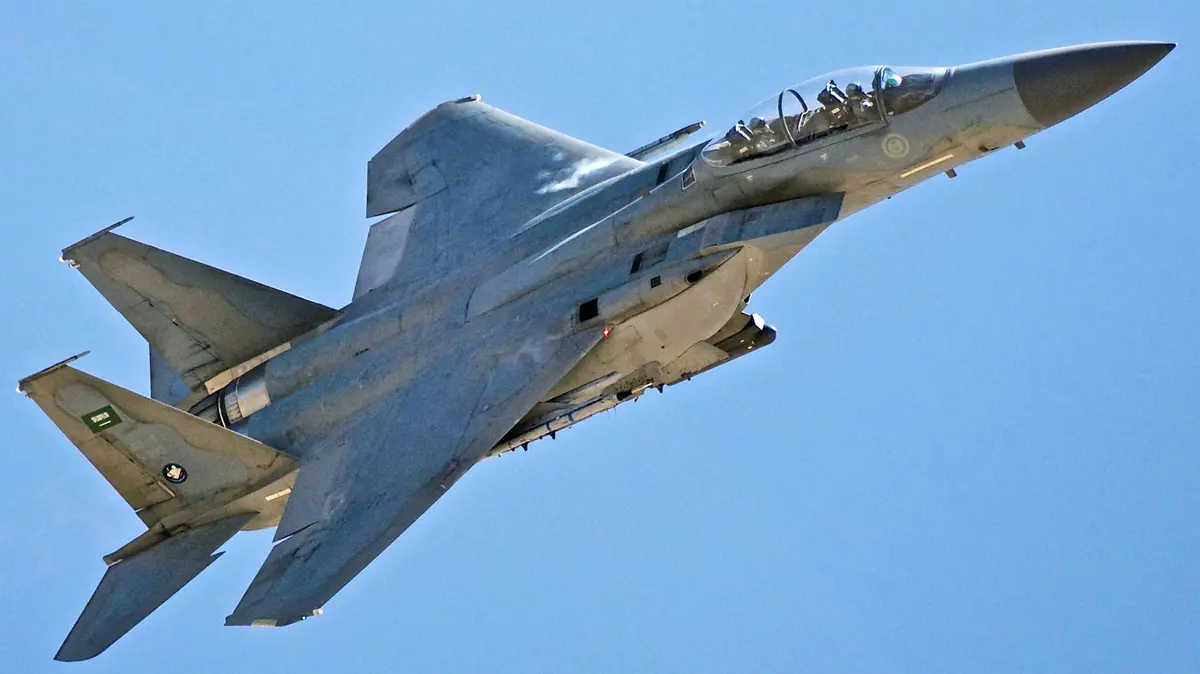
According to Western Reuters sources, the Saudi attacks took place at the end of March. Their goals cannot be independently confirmed at present. In any case, the Saudis made a military attack on the territory of their main regional rival for the very first time.
Until now, Saudi Arabia has mainly relied on protection from the US, with which this Middle Eastern country has close military relations. However, during the ten-week long conflict, Iranian attacks repeatedly overcame the American defense. Iranian missiles and drones did not only hit American bases in the territory of the Persian Gulf states, but also, for example, oil infrastructure or airports.
Despite the mutual blows, Riyadh and Tehran remained in contact and continued to try to prevent further escalation of the situation. In this, it differs from the United Arab Emirates, which, since the beginning of the conflict, has taken a more openly hostile stance towards Iran and limited diplomacy.
Tehran knew about the Saudi strikes and threatened to respond to them, but according to Iranian and Western sources, it finally agreed with Saudi Arabia on de-escalation, even before concluding a truce with the US.
Director of the Iran Project of the International Crisis Group, Ali Vaez, assessed that such a sequence of events indicates that there is not “trust, but a shared interest in imposing limits on the confrontation before it escalates into a wider regional conflict” between the two countries.
“We decided to endure the pain caused by the neighbor”
While at least 105 drones attacked Saudi Arabia in the week from March 25 to 31, there were only around 25 in the following week. Moreover, Western sources state that these drones mostly did not come from Iran, but from Iraq, where pro-Iranian militias attack American allies.
The tension increased again on April 7, when 31 drones and 16 missiles struck Saudi Arabia. Saudi Arabia therefore considered further strikes on Iran and Iraq, but Pakistan instead sent fighter jets into the air, successfully convincing Riyadh of protection and forcing it not to disrupt ongoing diplomatic negotiations.
“When Iran and others tried to drag our kingdom into the pit of destruction, our leadership decided to endure the pain caused by the neighbor in order to protect the lives and property of its citizens,” evaluated the Saudi procedure, the former head of Saudi intelligence, Prince Turki al-Faisal.

