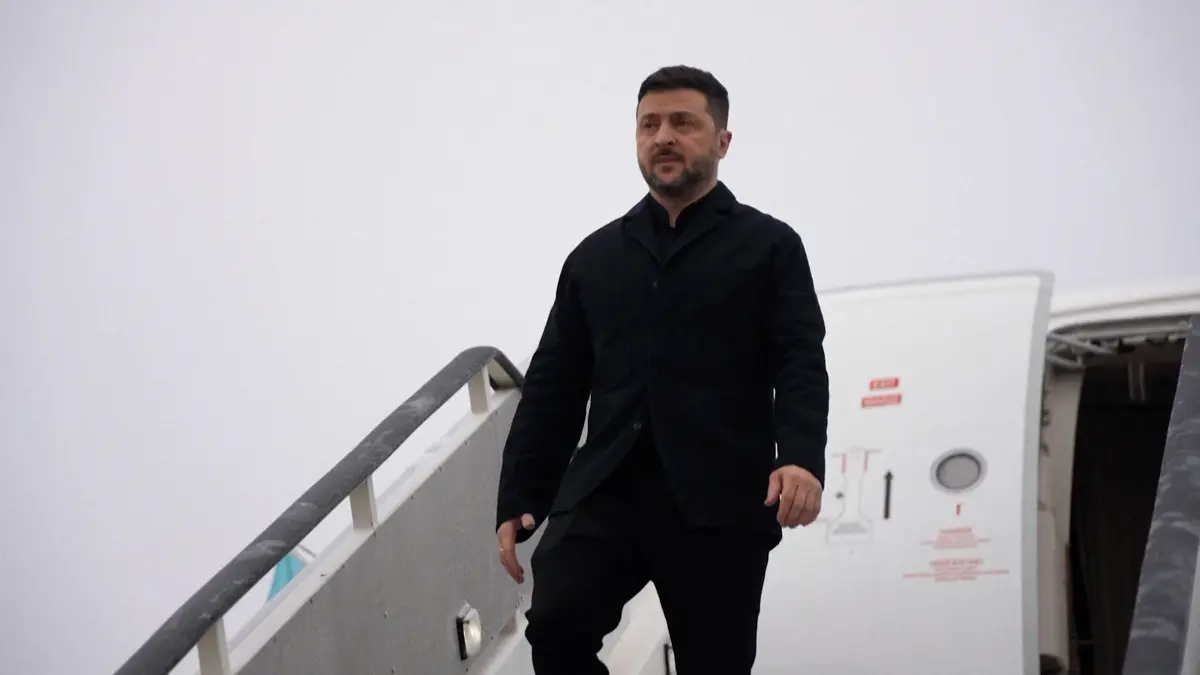
“On the afternoon of June 23, the Prime Minister announced that she will lead the Ukrainian delegation to the conference on the renewal of Ukraine in Gdańsk, where the Ukrainian president was originally expected,” reported the website Evropejska Pravda, stating that the event planned for Thursday and Friday of this week should mainly focus on the energy sector.
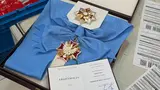
“The Polish presidential office has previously stated that it has information about Zelensky’s decision not to come to Gdańsk following the scandal surrounding the withdrawal of Poland’s highest state award. It was taken from him by (Polish President) Karol Nawrocki in response to the naming of one of the units in honor of the Ukrainian Liberation Army (UPA),” the website added, referring to the armed organization that also participated in massacres of Poles during World War II.
At the same time, the dispute no longer concerns only Nawrocký from the opposition party Law and Justice and Zelensky, who was already sent by the Polish Order of the White Lion. Following the example of the Ukrainian president, a number of other Ukrainian politicians, including Zelensky’s predecessors Petro Poroshenko, Viktor Yushchenko and Leonid Kuchma, returned Polish awards.
In response to the case, Polish Senate Vice-President Michał Kamiński from the small centrist UED party returned his Ukrainian state honors.
“Over the years, we have consciously limited historical disputes, knowing that the future of Polish-Ukrainian relations requires responsibility and goodwill. Unfortunately, today it is difficult to avoid the impression that this goodwill was not adequately repaid,” he said in a letter to the Ukrainian ambassador, according to the Interia website.
Speaker of the Sejm, Włodzimierz Czarzasty, from the New Left party, called Zelensky’s meeting “a slap to the Poles”. Polish Prime Minister Donald Tusk from the centrist Civic Coalition was more moderate and called the entire conflict a “strategic mistake”.
In a joint statement, 15 media outlets from both countries called for calming the situation in relations between Poland and Ukraine. “We are aware of the tragic pages of Polish-Ukrainian history that politicians abuse for their own purposes. Today, however, our common task is to stop Putin’s Russia. The time for a serious conversation about the past, admission of guilt and reconciliation will come when Ukraine – with the support of its allies – defeats the aggressor,” the published text reads, among other things.