
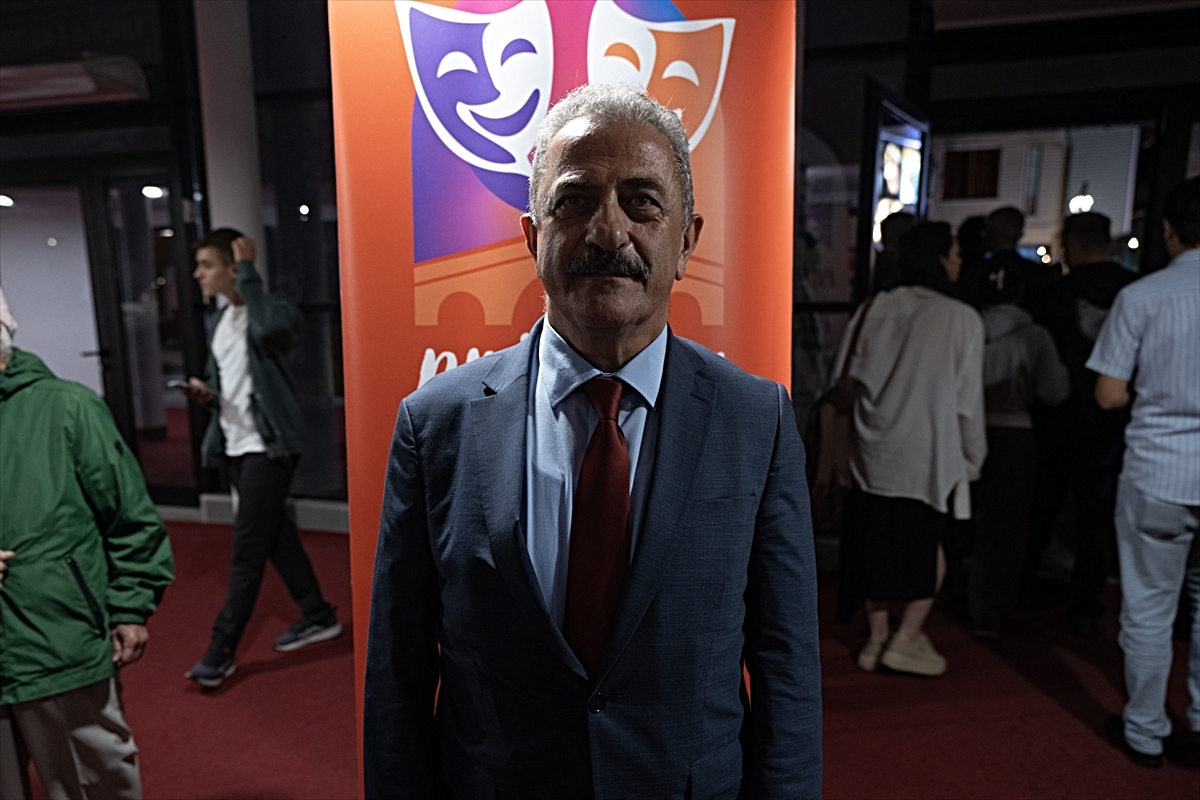
Sayit Yusuf, Deputy Secretary General of the International Organization of Turkic Culture (TURKSOY), stated that the Turkish culture, which has existed in the Balkans since the Ottoman period, has been transferred from generation to generation through language, literature, theater and art, and said, “Turkish culture in the Balkans will continue forever.” he said.
Turkish culture, which has taken root in the Balkans since the Ottoman period, continues to exist in different areas of life, especially language, literature, theater, music and traditional arts, despite the centuries that have passed, while Turkish communities in the region continue to transfer their cultural heritage to future generations.
Cultural and artistic activities in Prizren, one of the important centers of the Turkish presence in the Balkans, contribute not only to the preservation of a heritage inherited from the past, but also to keeping the Turkish language, literature and cultural identity alive.
“There is almost no one here who wastes his life.”
In his statement to AA correspondent, TURKSOY Deputy Secretary General Yusuf said that the Balkans are an integral part of the Turkish world and that TURKSOY will continue to increase its activities in the region.
Pointing out that the region has a strong background, especially in the field of culture and art, Yusuf said that Prizren has a unique position in this respect.
Emphasizing that the region is a center of culture, Yusuf said, “I have seen this in my own life for 30-35 years. I know it before. Any Turk you meet on the street here is either a poet, a novelist, a theater actor or a painter. In other words, there is almost no one who wastes his life here.” he said.
“The Balkans are indispensable for the Turkish world”
Pointing out that Prizren is an exemplary city in terms of reading culture and keeping the Turkish language alive, Yusuf said that the interest of children and young people in cultural and artistic activities gives confidence in the future.
Sayit Yusuf underlined that the Balkans is one of the important centers of the wide geography where Turkish culture and civilization lives, and said:
“Just like the Caucasus, Central Asia, Turkestan, Northern Turkism, Southern Turkism, every place where Turkish is spoken is the heart. In other words, a great civilization lives here. If any damage were to happen to one of them, this body would suffer great damage. Therefore, the Balkans are a very important center, indispensable for the Turkish world.”
Emphasizing that cultural and artistic activities in the Balkans should not be seen only as events or professional activities, Yusuf said that all studies, from theater to literature, from performing arts to other cultural activities, serve a common purpose.
Stating that the concern for keeping Turkish culture and identity alive has an important place in the work of artists and cultural people in the region, Yusuf continued as follows:
“The staged plays, the people who have produced works in the Skopje Turkish Theatre, and literature; their common concern is Turkishness, Turkish culture, Turkish identity. Here, there is a struggle for Turkishness and Turkish. If there were no events, Turkish might have disappeared here today. Such degenerations and perhaps assimilations have occurred in other parts of the world, in some regions, but there is a very vibrant Turkishness in the Balkans. This is a result of the importance given to this culture, theater and art.”
“As long as they breathe easily, our lungs will be comfortable.”
Yusuf likened the bond between Balkan Turks and the Turkish world to a family relationship and pointed out that keeping the Turkish presence in the region alive is important for the entire Turkish world.
Explaining the importance of the presence of Turks in the Balkans for the future of Turkish culture, Yusuf said:
“As long as they exist, we will exist. As long as they breathe easily, our lungs will be comfortable. If they live, we will live. If they do not exist, we will not exist. Therefore, if Balkan Turks survive, Turkish culture also survives. Considering the times they have gone through before and the difficulties they have experienced, the future will not be as difficult as before. That is why Turkish culture in the Balkans will continue forever. Because Turkishness is not small enough to fit into a small container. Turkish culture in the Balkans is not just the culture of ethnic Turks. It is common to everyone living in this geography.” is the culture.”
