
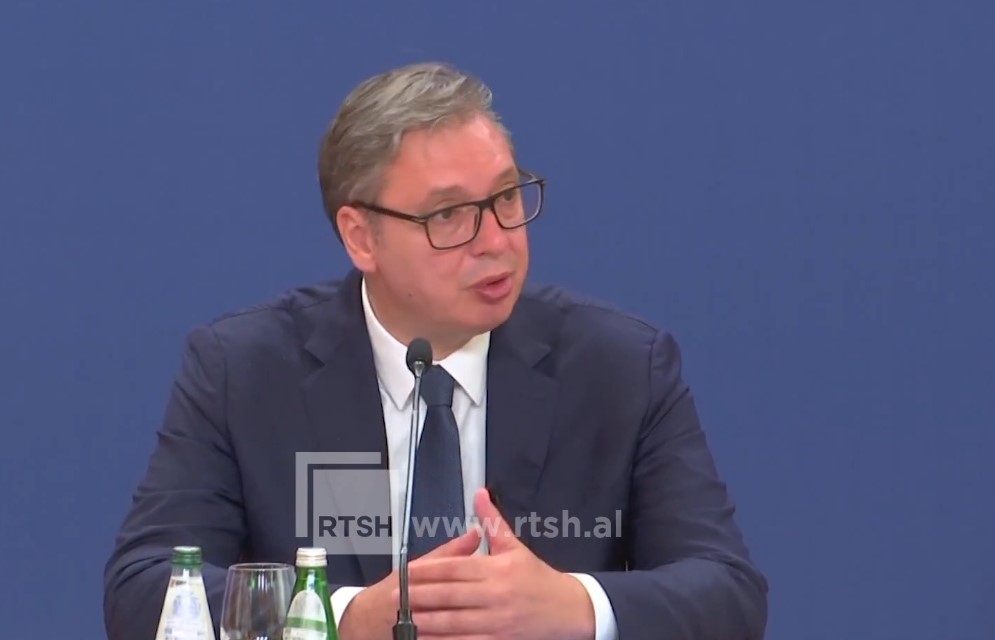
About 600 million euros is the value of the package announced by Serbian President Aleksandar Vucic, which aims to improve the living conditions of citizens and which is expected to benefit more than three million people.
Special attention has been paid to 1,663,000 pensioners in the country. 377.2 million euros will go to their aid starting from the end of September, where each pensioner will receive a payment ranging from 20,000 to 35,000 dinars.
“From 2020 to 2026, the nominal increase in pensions is 117.1 percent and the real one is 45.3 percent. So, if we take inflation into account, pensions have increased by more than 45 percent in the last six years,” said the Serbian president.
According to him, 148,658 beneficiaries of social assistance will receive payments of 25,000 dinars, while families with children will receive the same amount for each child they have.
Among the measures to help citizens, especially pensioners, are tourist vouchers worth 10,000 dinars, which will benefit every elderly person whose pension is up to 80,000 dinars and who chooses to spend their holidays in the country.
The weaker sections of society will benefit from a 20 to 40 percent reduction in energy bills, plus another reduction of 1,000 dinars for pensioners and military personnel.
For individuals who are on medical therapy, a significant subsidy of the cost of medications has been provided.
Vucic announced the new package of measures two days after he said he would resign in a few weeks, to pave the way for early presidential and parliamentary elections. Although he has not confirmed what his next step will be after leaving office, Vucic is expected to lead the campaign of his progressive party, in power for more than a decade, and run for prime minister.
Increases in pensions, salaries or one-time payments Vucic has announced before the previous elections, but this year’s package comes at a time when the government is facing one of the biggest political challenges, which are the student-led protests against government corruption, prompted by the collapse, in November of two years ago, of the shelter of the Novi Sad railway station, where 16 people lost their lives. Protesters say the incident highlighted the extent of corruption and lax state oversight of construction projects.
