
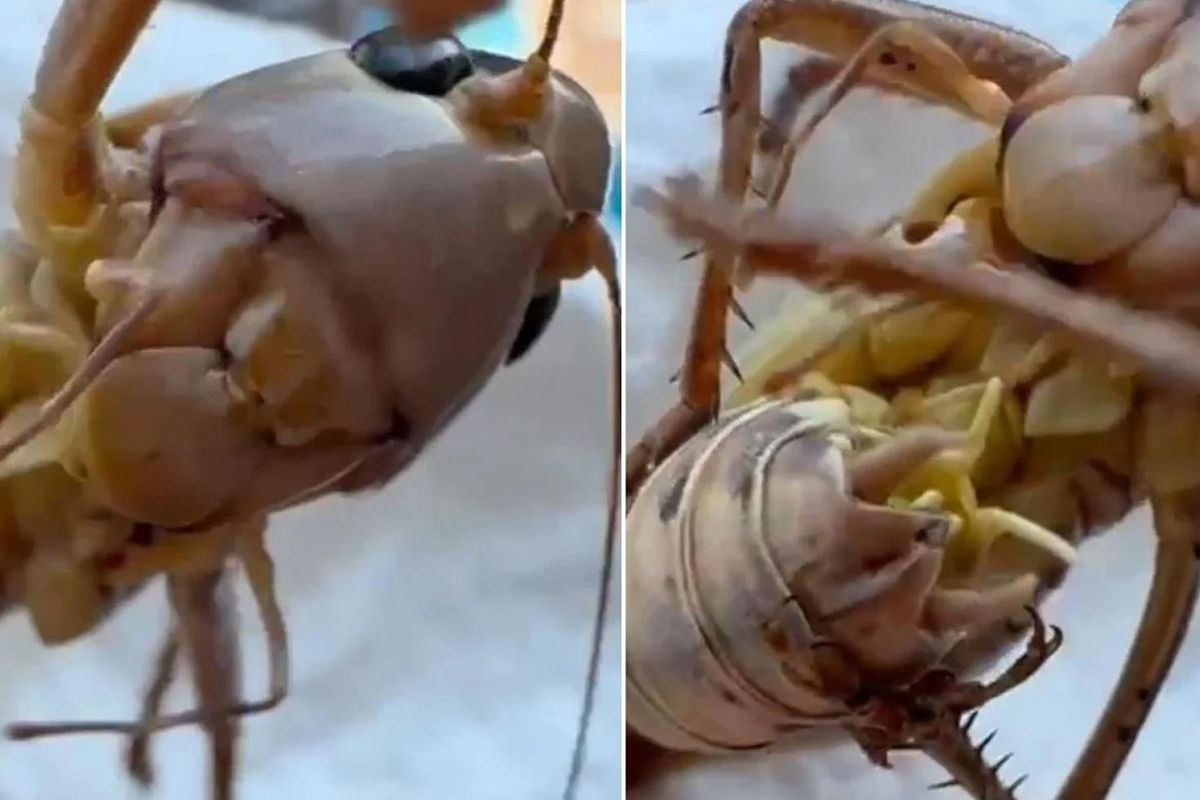
Grasshopper images shared from many provinces of Türkiye in recent days “Has the locust invasion begun?” While raising the question, the Ministry of Agriculture and Forestry made a statement on the subject.
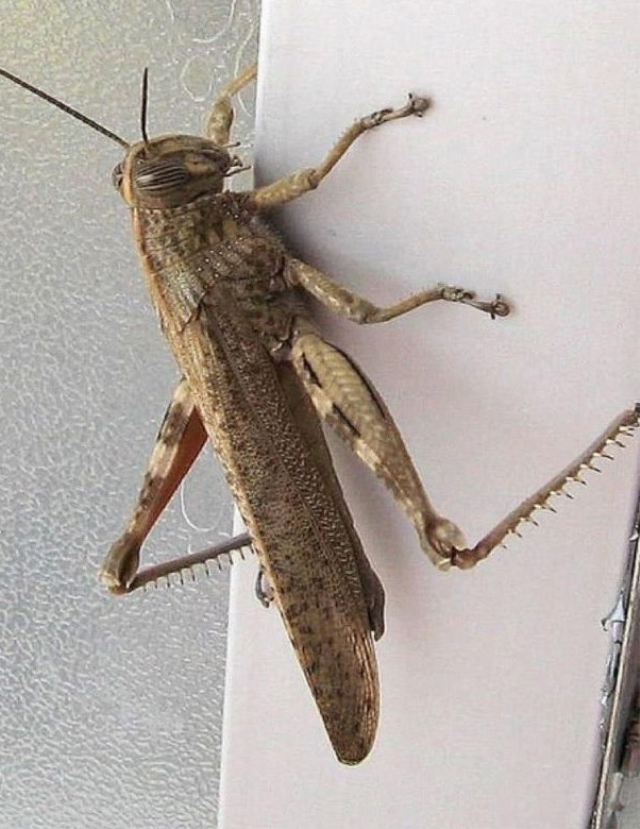
The Ministry stated that there is no grasshopper invasion threatening agricultural production and that the grasshoppers in the images are native species found naturally in our country.
EXPLANATION TO THE “LOCUST INVASION” CLAIMS
The Ministry of Agriculture and Forestry made a statement regarding the recent posts in some media outlets and social media platforms that there was a “locust invasion” in Istanbul and surrounding provinces. The following statements were made in the Ministry’s statement: “The need to make this statement arose due to the recent posts in some media outlets and social media platforms that there was a “locust invasion” in Istanbul and surrounding provinces.
“ALL LOCSTS BELONG TO DOMESTIC POPULATIONS”
As a result of the investigations and follow-ups carried out by our Ministry teams, no locust invasion that threatens agricultural production or a locust population that causes economic damage in the Marmara Region, especially in Istanbul and Tekirdağ, has been detected. In the species identification of the grasshoppers in the images reflected to the public, it was determined that all of them belonged to indigenous populations found naturally in our country.
THE TYPE OF THE LOSPIC IN THE IMAGES HAS BEEN CLEARED
Therefore, as claimed, there is no locust invasion in large numbers reaching our country from the Balkans, Africa or any other region. It has been determined that the species detected in Istanbul is not a grasshopper that harms agricultural production, but rather the White-faced bush grasshopper (Decticus albifrons), which contributes to biological balance by feeding on agricultural pests.
Many grasshopper species live naturally in our country. Depending on climatic conditions and especially spawning periods, periodic increases may be observed in the populations of some species; They can be carried to residential areas by the effect of the wind and can be noticed more often by our citizens because they are directed towards light in hot weather. This is a natural process and does not mean an invasion. As the Ministry, locust populations are regularly monitored by our technical teams working in 81 provinces within the scope of the Annual Plant Health Struggle Program.
“WORKS WERE INTENSE IN ISTANBUL AND TEKİRDAĞ”
Following recent reports, our work in Istanbul and Tekirdağ has also been intensified. If species that may harm agricultural production reach the economic damage threshold, necessary control efforts are implemented without delay. In the current situation, there is no situation that requires this struggle. Our Ministry will continue to carry out monitoring, surveillance and combat activities for the protection of plant production in line with scientific principles. It is announced to the public with respect.”
