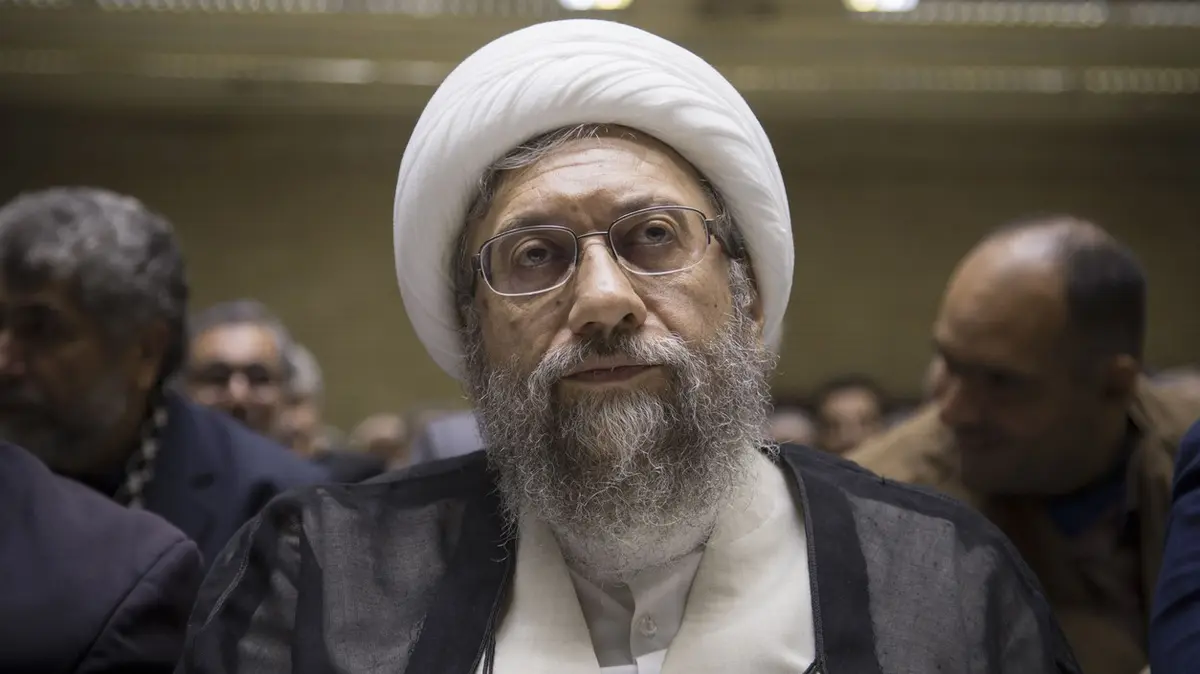
According to The Telegraph, there has been talk of a successor to the slain Ayatollah Ali Khamenei, who was already eighty-six years old, in Iran for a long time. But many of the candidates whose names were mentioned in this discussion lost their lives on Saturday, at the beginning of the Israeli-American airstrikes.
“It won’t be anyone we thought of, because they’re all dead,” US President Donald Trump admitted in this regard.
One of the new candidates for the election in the Assembly of Experts is Mohammed Mehdi Mirbagheria 66-year-old cleric whose “apocalyptic theology and absolutist politics” represent Iran’s most radical ideological current, according to the newspaper.
He considers the Islamic Republic to be part of “God’s great plan” and the conflict between “believers and non-believers” as inevitable. Therefore, he would probably continue to attack American bases throughout the region, Israeli cities and the Persian Gulf states, where American forces are located.
The US would respond with overwhelming force, including strikes on Iran’s remaining government infrastructure, cities, imposing a full economic blockade, and supporting regime change operations. According to the Telegraph, Mirbagheri in the position of supreme leader would most likely mean the destruction of Iran.
In tow of the Revolutionary Guards
The Islamic Republic would not have fared much better even with Mojtab Khamenei (56), the second son of the slain Ayatollah Khamenei, who for years acted as a potential successor to his father. That’s why he found himself completely in the wake of the Revolutionary Guards, who, according to the letter, could enforce him by force in the event that the decision of the Assembly of Experts is delayed.
As someone who ran his father’s office and networks for years, Khamenei’s son espouses a “classical” way of governing. In Iranian terms, this means consolidating domestic control through intensified repression. Možtaba could also add to this the replacement of civil officials by commanders of the Revolutionary Guards.
As their favorite, he would probably understand their desire to avenge comrades killed by Israeli-American strikes. But even that would probably lead to a harsh American reaction, which would subsequently lead to the disintegration of Iran.
Moderate Ayatollah?
Among the favorites for the election, according to The Telegraph, is also a “temporary” Ayatollah Alireza Arafí (67). In the first hours after Khamenei’s death, he became a member of the so-called Collective leadership councils, which according to the Iranian constitution must be established under such circumstances. If the Assembly of Experts elects him, it would indicate, according to the letter, a willingness to return to a diplomatic solution to the conflict surrounding Iran’s nuclear and ballistic programs.
Arafi’s trip to Moscow in 2023, where he met with Russian officials and spoke of Iran’s desire for “extensive cooperation with Russia,” also suggests he has Kremlin support. Moscow could thus guarantee a possible agreement on the Iranian nuclear program.
According to The Telegraph, the selection of Arafí would probably also mean that he will serve as a figurehead and the real power will belong to the influential Larižáníj family.
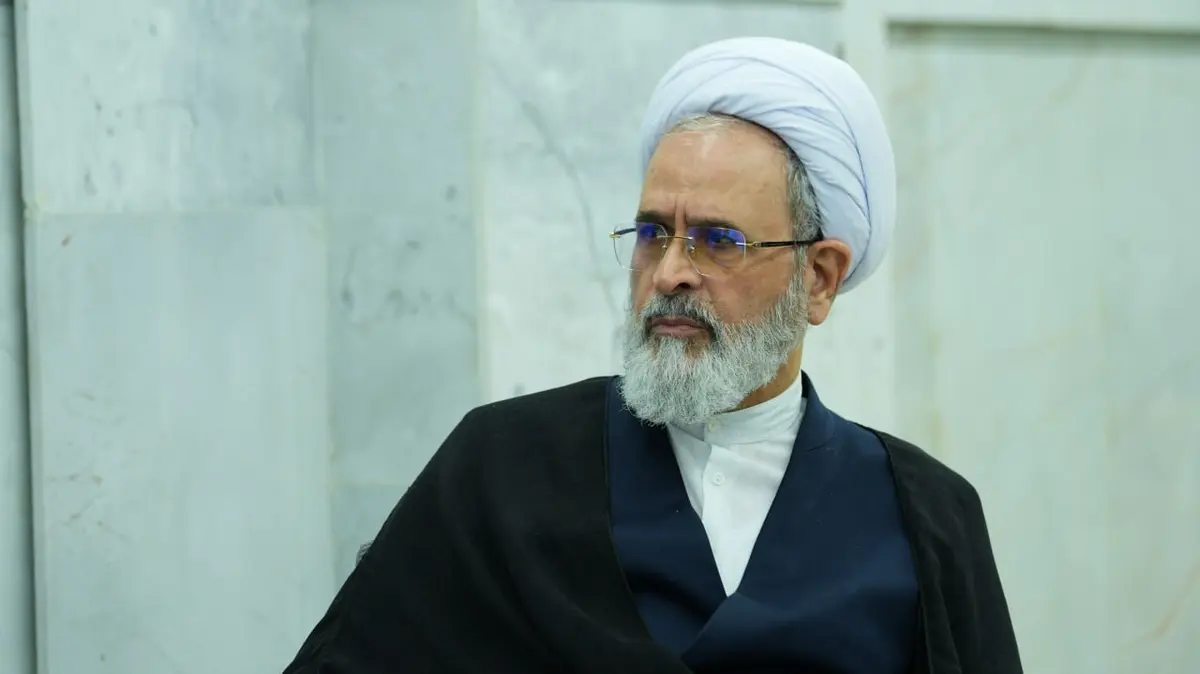
Photo: Profimedia.cz
The “interim” supreme leader of Iran, Ayatollah Alireza Arafí
The highest chance of survival
Its member is another “candidate” for the supreme leader of Iran Sadek Larižáníthe 64-year-old former supreme judge of Iran. According to the newspaper, it represents a pragmatic choice – he would maintain the confrontation with the West while avoiding suicidal escalation, he would preserve the nuclear program and at the same time explore the possibility of diplomatically managing its restrictions, he would suppress dissent while allowing limited economic reforms.
As head of the judiciary, he acted during the brutal crackdown on the Green Movement, an anti-government wave of uprisings under President Mahmoud Ahmadinejad in 2009. And as the brother of Ali Larijani, the secretary of Iran’s National Security Council, who rejected negotiations with the US, he has the support of the “hard core”.
His election is nevertheless the Islamic Republic’s best chance for survival – not through victory, but through survival of American attention, use of contradictions between neighboring states, and sufficient restraint to quell desires for regime change in Iran.