
The 3rd International Balkan Symposium organized by Tekirdağ Namık Kemal University (NKÜ) continues.
In the symposium held at the Rectorate Conference Hall with the theme “Science and Art in the Balkans during the Ottoman Era”, the role of the Ottoman ulema in the Balkans was discussed.
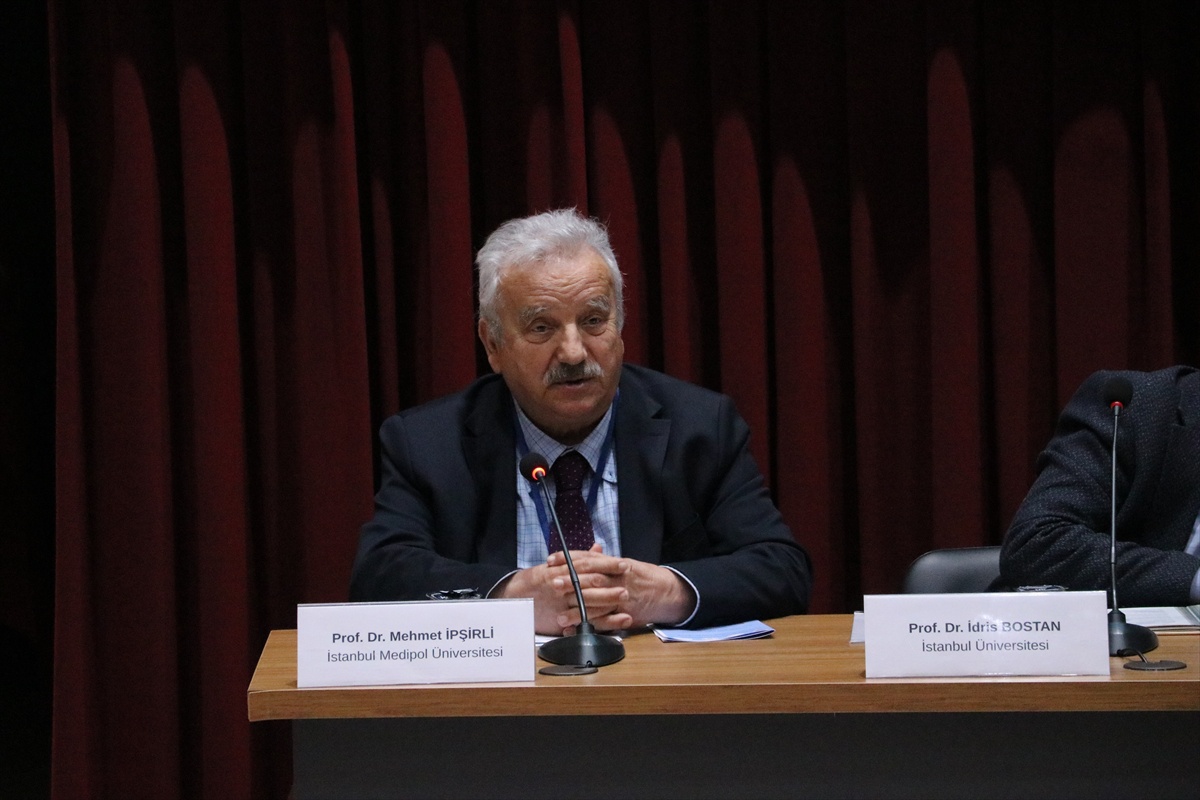
Istanbul Medipol University Faculty Member Prof. Dr. In his speech at the symposium, Mehmet İpşirli said that the dynasty, state officials, as well as ulemas and dervishes, made important contributions to the long-term existence of the Ottoman Empire in the Balkans.
İpşirli explained that the ulema tried to keep the morale of the soldiers high during the military campaigns and benefited from Islamic law and Turkish customs and traditions in resolving the disputes between soldiers and administrators, and added that after the conquests, muftis and madrasah officials contributed to the preservation of social unity with their fatwas and sermons.
İpşirli stated that the role of the ulema in the nearly 600-year existence of the Ottoman Empire in the Balkans has been the subject of various academic studies, and that the political changes especially in recent times are important in understanding the activities of the ulema.
Stating that different approaches emerged after the Ottoman administration lost its power in the region after the 1878 Treaty of Berlin and the beginning of the Austro-Hungarian administration in Bosnia, İpşirli said that the ulama did not exhibit a uniform attitude during this period.
İpşirli stated that some ulama adopted a harsh attitude against the new administration, while some advocated establishing communication with the Austro-Hungarian administration, taking into account the current conditions, and said, “The Muslim community should not be harmed by this. But in the meantime, they were saying that we should not lose our activities and our contact with the Ottoman Empire, especially with Istanbul.” he said.
Pointing out that despite the weakening of the Ottoman political power in the region, scientific and religious relations continued, İpşirli stated that the ulema continued to provide education in madrasahs and their activities in mosques.
İpşirli stated that examining the developments in this period and the different attitudes of the ulama is important in understanding the history of the Balkans.
