
The “Balkans and Neighboring Country Ombudsmen Experience Sharing Forum”, hosted by the Ombudsman Institution (KDK) and with the contributions of the Turkish Cooperation and Coordination Agency (TIKA), has ended.
In the forum held at Anadolu Judge House with the main theme of “The Role of Ombudsman Institutions in the Protection of Human Rights and Strengthening Good Governance: Sharing Experience between the Balkans and Neighboring Countries”, ombudsmen and high-level representatives of the Balkans and neighboring countries came together in sessions held for two days.
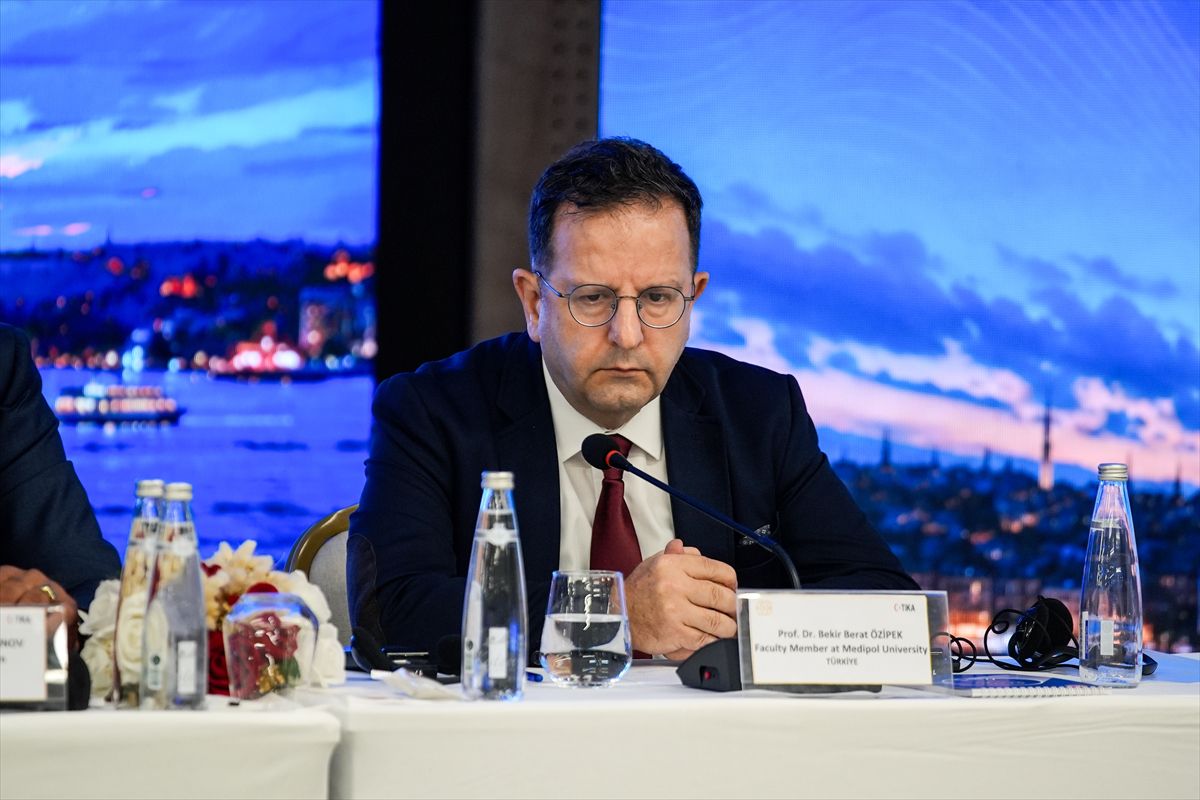
Moderated by KDK Ombudsman Özcan Yıldız, Albanian Ombudsman Endrit Shabani, Bulgarian Anti-Discrimination Commission Member Prof. Dr. Baki Hasanov Hyuseinov and Istanbul Medipol University Faculty Member Prof. Dr. In the second day session attended by Bekir Berat Özipek, strengthening regional cooperation in the field of human rights between the Balkans and neighboring countries was discussed.
Speaking at the opening of the session, Yıldız said that the Balkans experienced a golden age in terms of human rights during the Ottoman period.
Yıldız stated that this represents a period in which different religions, nations and people lived together in peace for 500 years, and said, “During this period, thanks to the nation system, different belief groups were able to maintain their autonomy in their internal affairs and preserve their identities. This historical heritage reminds us today how valuable peace and cooperation are. The most important gate of the world to a climate of peace is the Balkans. The key to this gate of peace is the ombudsman institutions.” he said.
“Human rights can often be instrumentalized”
Prof. Dr. Özipek also explained that international institutions are inadequate against human rights violations.
Noting that regional or global organizations are important, Özipek said, “We are not in a position to say that these are wrong or should not exist. But do states and similar state-like structures or interstate organizations really protect human rights? ‘Do they protect them properly?’ “When we look at it, we see that they did not protect it.” he said.
Prof. Dr. Pointing out that the need to preserve the status quo may be more important in global balances, Özipek said, “Human rights can often be instrumentalized. In this respect, we should not be content with the world of states. We need to turn our direction to societies and individuals. We need to establish a conversation among ourselves. We need to go beyond states, governments and governments, and talk face to face with each other and solve our common problems with each other. Because our problems are really very common.” he said.
“It is our common responsibility to ensure equal access to public services for everyone.”
Chief Public Ombudsman (Ombudsman) Mehmet Akarca, who made the closing speech of the forum, explained that experiences, encountered problems and solution methods were shared between representatives of participating countries and ombudsman institutions.
Pointing out that the violations encountered were similar, Akarca said:
“It is our common responsibility to protect fundamental rights and freedoms, strengthen the relationship of trust between citizens and the state, ensure that good governance principles are established in public administration and that everyone has equal access to public services. We discussed the different dimensions of this common responsibility in the 5 sessions we held during the forum. We, as ombudsmen, may work in different countries, but we have a common responsibility to protect the rights of citizens, to ensure that the administration works better and to make public administration people-oriented. This common goal is a common ground that is much stronger than the differences between us.”
Akarca emphasized that the forum is important for future collaborations.
Stating that they wish the shared good practices, problems encountered and solution suggestions developed to be reflected in the work of the institutions, Akarca said, “Perhaps this dialogue that started here today can turn into more regular meetings, joint working mechanisms and stronger ombudsman cooperation on a regional scale in the future. The better we know each other, the more we benefit from each other’s experiences and the more we produce solutions to common problems together, the more we can contribute to the protection of human rights and raising good governance standards in our region.” he said.
Akarca noted that the human rights violations in Gaza should be expressed on every platform.
