
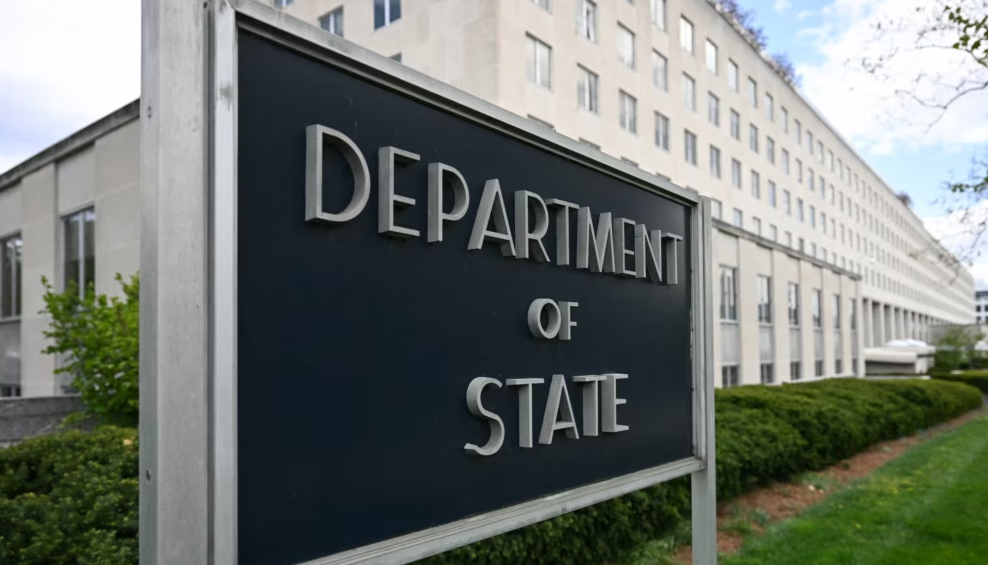
The United States said that they are waiting for the creation of conditions for the launch of the Strategic Dialogue with Kosovo, stressing that they also include the fulfillment of Pristina’s commitments to the Serbian minority.
In a response to Radio Free Europe, a spokesperson for the US State Department recalled that the Strategic Dialogue was suspended in September 2025, “for an indefinite period”, due to concerns regarding the actions of the incumbent Government of Kosovo.
“We remain committed to the advancement of the common interests of the United States and the people of Kosovo. We look forward to developing a Strategic Dialogue with Kosovo when the right conditions are created, including the fulfillment by Kosovo of its commitments in relation to the Kosovo Serbs,” the response states.
The Department of State did not give a deadline for when the Strategic Dialogue can start and did not specify the steps it expects from the Kosovo authorities.
The answer comes on the day when Washington starts the first round of the Strategic Dialogue with Serbia – a process aimed at deepening bilateral cooperation in areas such as: security, economy and foreign policy.
“Through this dialogue, the U.S. and Serbia will work toward common goals, including regional peace and stability, expanding ties in business and education, and building a more prosperous future,” the State Department spokesperson told RFE/RL.
When and why was the Strategic Dialogue with Kosovo suspended?
The American Embassy in Pristina announced on September 12, 2025 that the United States had suspended the Strategic Dialogue with Kosovo for an indefinite period.
At the time, the Embassy said that the decision was made due to “concerns about the actions of the current Government”, which, according to it, “have increased tensions and instability” and limited the ability of the United States to work productively with Kosovo on shared priorities.
The decision came after Kosovo authorities took action against Serbian institutions operating in Kosovo.
They also publicly criticized the country’s Constitutional Court for a decision regarding the mandate of the deputies.
Washington described these developments as factors that increased political tensions and made cooperation difficult, while the incumbent Government said that they were “legal and constitutional”.
What is expected from Kosovo in relation to the Serbs?
For years, the United States and the European Union have been asking Kosovo to implement the agreements reached in the dialogue with Serbia, mediated by the EU.
They include, above all, the establishment of the Association of Serb-majority municipalities and the provision of a level of self-management for the Serb community in Kosovo, in accordance with the Basic Agreement of 2023 and the Ohrid Annex.
Likewise, the West demands that Kosovo resolve disputes with the Serbian Orthodox Church, protect religious freedoms and avoid unilateral actions in the north of the country, which, according to Washington, have increased tensions with the Serbian community.
Kosovo argues that the implementation of the obligations from the dialogue should be mutual, while its actions in the north – from the removal of the Serbian dinar from use to the closure of the majority of parallel Serbian institutions – have been aimed at extending the rule of law.
Pristina also wants to sign the Basic Agreement, which Belgrade has rejected.
In order to continue the dialogue with Serbia, the Kosovo authorities request the extradition of the former vice-president of the Serbian List, Millan Radoicic, who took responsibility for the armed attack in Banjska in September 2023.
Radoicic is under United States sanctions for involvement in corruption and organized crime activities, while an indictment has been filed against him in Kosovo for terrorism and other criminal offenses./REL/
