
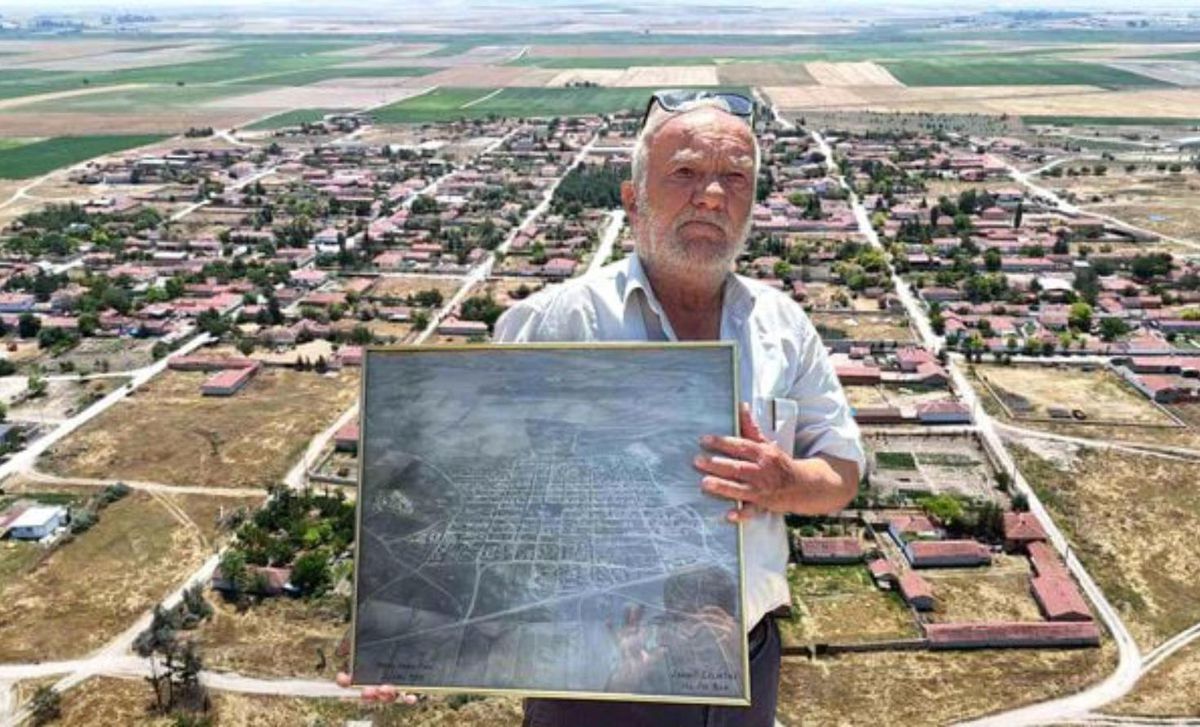
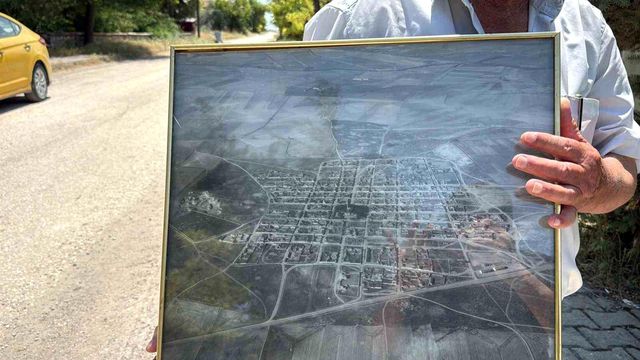
Abbashalimpaşa Neighborhood, founded in Eskişehir 113 years ago by immigrants from the Balkan Wars, reminds us of Barcelona, Spain, with its neat streets, square-block settlement and original architecture with no dead-end streets, built in accordance with the first day’s zoning plan.
IT PRESERVED ITS TEXTURE FOR MANY YEARS
The rural Abbashalimpaşa District of Çifteler district, 66 kilometers away from Eskişehir center, differs from traditional settlements in Türkiye with its architectural structure and history. The village, which was founded by the Turks who had to migrate from the Kircaali region of Bulgaria due to the Balkan Wars in 1912, has a history of 113 years. The settlement, which was built by allocating 120 decares of field and 700 square meters of land to each family during the establishment phase, grew by adhering to the prepared development plan to the millimeter. In the neighborhood, which meticulously preserved this texture during the Republican period, no building that has been demolished and rebuilt has been outside the current zoning plan.
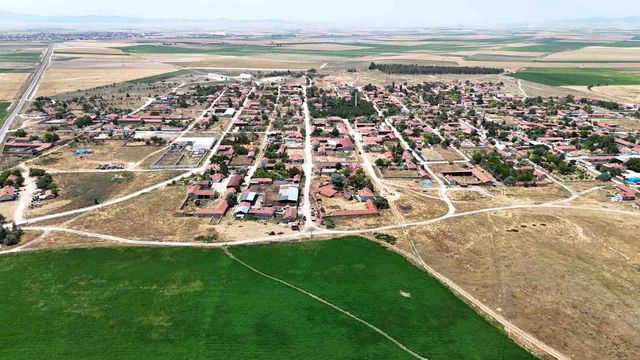
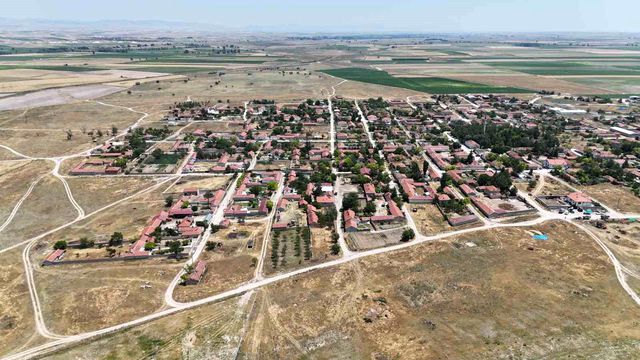
The situation of the village, which was called “Mandıra” when it was first established and kept the tradition of sultan farms alive, changed with the decision of the Hüdavendigar Province (Bursa) administration on 30 December 1914. Upon the request of the local people, the village was named after Abbas Halim Pasha, the brother of the Ottoman Grand Vizier Said Halim Pasha and the son of Mehmed Abdülhalim Pasha, one of the Egyptian princes. This rural neighborhood, named after Abbas Halim Pasha, who served in important positions such as the member of the state council, the Governor of Bursa and the Ministry of Public Works, draws attention with its settlement plan consisting of rectangular and square blocks, almost “drawn with a ruler”. There are no narrow or dead-end streets in Abbashalimpaşa, whose streets are completely straight and parallel to each other.
“THERE IS NO DEADLINE”
Headman of Abbashalimpaşa District, Mehmet Güçen, stated that the village is 113 years old and said, “It is a unique village in Turkey. Its inhabitants migrated from the Kırcaali and Tozçal regions of Bulgaria; there are no foreign people coming from outside in our village. The traditions of our village are kept alive completely according to the old methods. The architectural form of our village is extremely smooth; all of our streets and avenues are of the same equality and we do not have any dead ends.” he said.
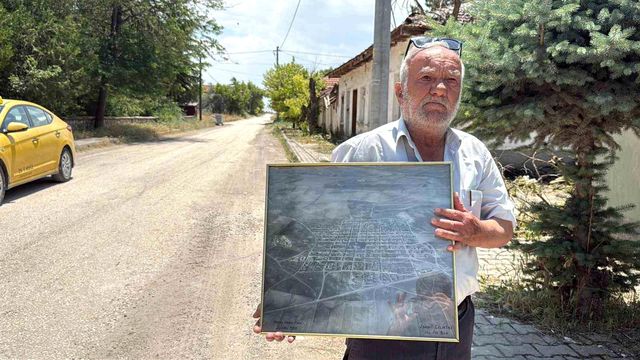
Güçen said, “The then Governor of Bursa, Abbas Halim Pasha, first established this place as a dairy farm 113 years ago. Later, the name of the settlement was changed to Abbas Halim Pasha. We do not know in detail how the village was founded exactly, but there is a diagram and written history of it in the village. He was one of the Egyptian princes and was the brother of Said Halim Pasha, one of the former Governors of Bursa. When it was first established, the name was Abbas Halim Mandıra, later Abbas Halim Pasha.” “When a new house is built in the village, this architectural order cannot be disrupted, everyone must comply with the same conditions and plan.” he said.
THEY DO NOT ALLOW FOREIGNERS TO SETTLE
Explaining an old practice in their village, Mehmet Güçen said, “Our village had a village fund, but since we turned into a neighborhood with the metropolitan law, this village fund was closed. In the past, we did not allow outsiders into our village. When a house was for sale, our headmen and village residents prevented foreigners from settling in the village by purchasing that house with the budget in the village fund. However, now there is no money left in the village fund. Our population used to be high; it was around 600-700, but now it has dropped to 300. Throughout Türkiye, it has dropped to 300.” “There is no other village with such features anywhere, in any metropolitan area. Our village has a large land area of 22 thousand decares. That’s why there are many citizens who want to come and settle in our village, but we do not allow it. Especially those who raise livestock have many desires in our village to graze their animals and use the pasture, but we do not allow them either.”
