
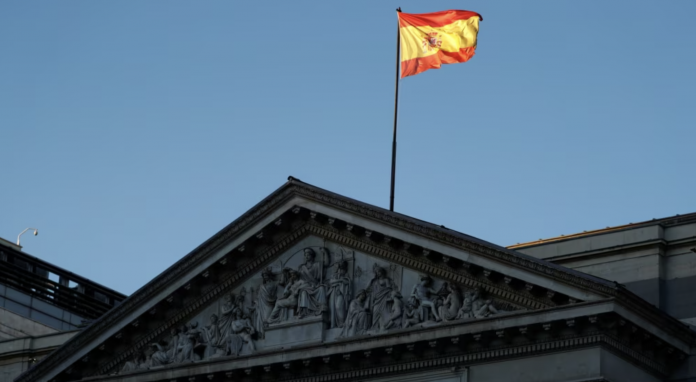
Spain will not stand in the way of Kosovo’s closer ties with the European Union, Spanish Foreign Minister José Manuel Albares said at the 2026 EU Enlargement Forum in Brussels.
“We have made it clear this year that we will never hinder the dialogue between Pristina and Belgrade. Nor will we prevent Kosovo from getting closer to the EU”, said Albares.
Spain is one of five EU member states that do not recognize Kosovo’s independence, declared in 2008. The other four are Cyprus, Slovakia, Greece and Romania. However, Albares highlighted two steps that demonstrate Madrid’s support: visa-free travel for Kosovars and the recognition of Kosovo passports.
Citizens of Kosovo have been able to travel visa-free to the Schengen Area, including Spain, since January 2024. Meanwhile, Radio Free Europe has asked the Kosovo government to comment on Albaresi’s statement and is awaiting a response.
However, Ireland’s Minister for European Affairs, Thomas Byrne, highlighted the challenges that Kosovo still faces. Speaking at the same forum, he said that the attitude of the five EU countries that have not yet recognized it continues to hinder Kosovo’s progress towards European integration.
“Each applicant country has issues to address. A number of EU member states do not recognize Kosovo. This is a challenge for Kosovo and it is not something we can easily overcome.” Byrne said.
Ireland currently holds the rotating six-month presidency of the Council of the EU. Earlier this year, EU Enlargement Commissioner Marta Kos described developments regarding the five countries that have not recognized independence as “encouraging”. She made the comments in April during a debate in the European Parliament. However, she did not provide further details.
Kosovo’s road to the EU remains blocked. The country applied for EU membership in December 2022. Since then, the European Commission has repeatedly expressed readiness to prepare an opinion on its application. This assessment represents a key step towards obtaining candidate status. However, the Commission needs a mandate from EU member states to start this work. They must approve the decision unanimously. So far, Kosovo’s application has not progressed. As a result, Kosovo remains the only country in the Western Balkans without EU candidate status.
Prime Minister Albin Kurti has criticized this situation. Recently, he said that Kosovo’s position in the admission process does not reflect the progress it has made. In early November, he again called for candidate status and the rapid opening of accession negotiations. “Kosovo remains the only country in the Western Balkans without candidate status. Despite political support from the European Commission to start the technical process, EU member states and institutions have not yet taken action or given the Commission the political mandate to start it. Kurt said.
The second EU Enlargement Forum took place in Brussels on 15-16 November. It brought together European leaders, representatives of candidate countries, experts and civil society organizations.
Among the speakers were European Commission President Ursula von der Leyen, European Council President António Costa and Finnish President Alexander Stubb. Leaders and officials from EU member states and countries involved in the enlargement process also participated. However, Kosovo was absent again because Brussels did not invite it.
