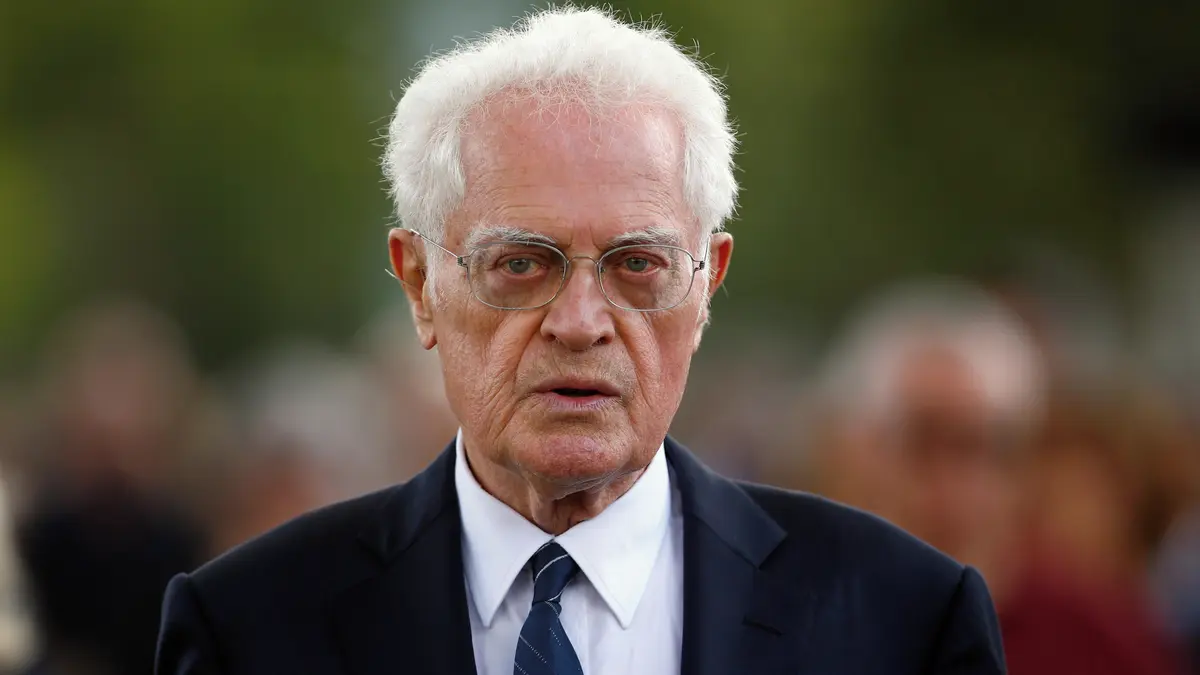
Jospin was born in 1937 near Paris. At first, it didn’t look at all like he would throw himself into politics. After studying languages, he went into diplomacy. There he met Pierre Jox, a loyal supporter of François Mitterrand, and started moving in the socialist party. He officially joined it in 1971.
His career within the party was rocket. He became the first secretary of the Socialist Party between 1981 and 1988, and was later elected to the European Parliament on its behalf. He was Mitterrand’s gray eminence for the entire seven-year period. From 1988 to 1992, Jospin held the post of Minister of Education. The students gave him the nickname Jospinator. He symbolized calm rigor, which was the opposite of narcissism, which was often characterized by the political elite of the time.
In 1995, he ran for the office of president. In the first round, he surprisingly defeated all the candidates, including Jacques Chirac. However, he already lost to him in the second round, yet he built a position as a presidential candidate on the political scene.
In 1997, he headed a pluralist left-wing majority uniting socialists, communists and the Greens, which surprisingly won the parliamentary elections triggered by the dissolution of the National Assembly by President Chirac. Immediately after taking office as prime minister in 1997, Jospin initiated reforms that have an impact on the French economy to this day.
Photo: Stanislav Zbyněk, CTK
Lionel Jospin (left) in a picture from 1998 with President Václav Havel)
It is primarily a 35-hour work week. His government managed to enforce stricter rules for laying off employees or universal health insurance. He also promoted PACS (Pacte civil de solidarité), a form of registered partnership entered into between two adults (of different and same sex) for the purpose of organizing a common life. Jospin tried to end decades of separatist violence on the island of Corsica. In June 1999, he was at the peak of popularity and his popularity exceeded 60 percent in all surveys.
In 2002, he ran for president for the second time, but suffered a shocking defeat. He finished third in the first round. The ultra-right nationalist Jean-Marie Le Pen advanced to the second round instead. He was then convincingly defeated by the current president Chirac in the second round. Jospin withdrew from public life.
After a period of silence in 2007, he considered a presidential candidacy against Nicolas Sarkozy, but ultimately stayed away. In 2012, he joined the campaign of François Hollande. Even after that, he was regularly involved in French political life. Among other things, he was also appointed a member of the Constitutional Council, which is the highest institution of judicial power in France.
His socialism was never orthodox, and the privatization of state-owned enterprises continued even under his rule. He preached “the balance between the state and the market” or that “social justice and economic efficiency must be reconciled”. His popularity was also ensured by the fact that he was blameless throughout his career and that he avoided accusations of corruption, which have otherwise been a significant part of French political life for decades.
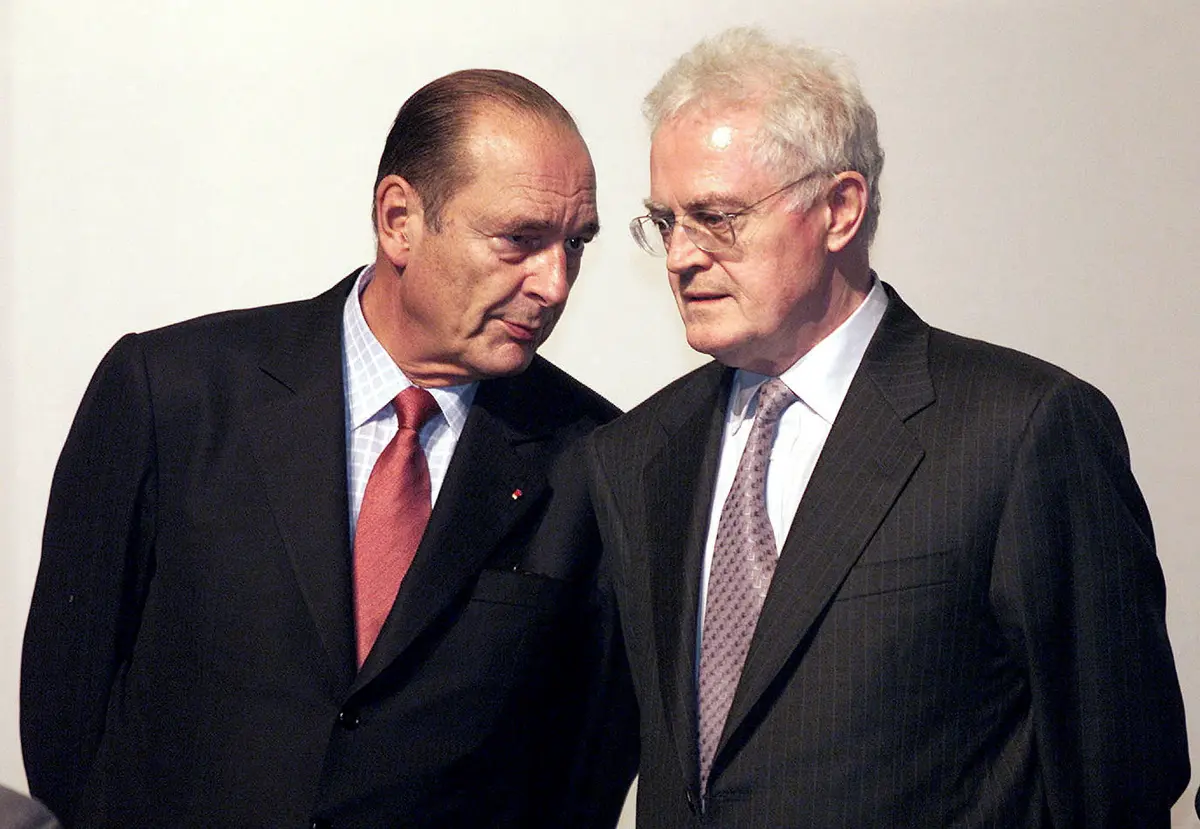
Photo: Charles Platiau, Reuters
Lionel Jospin (right) and then President Jacques Chirac