
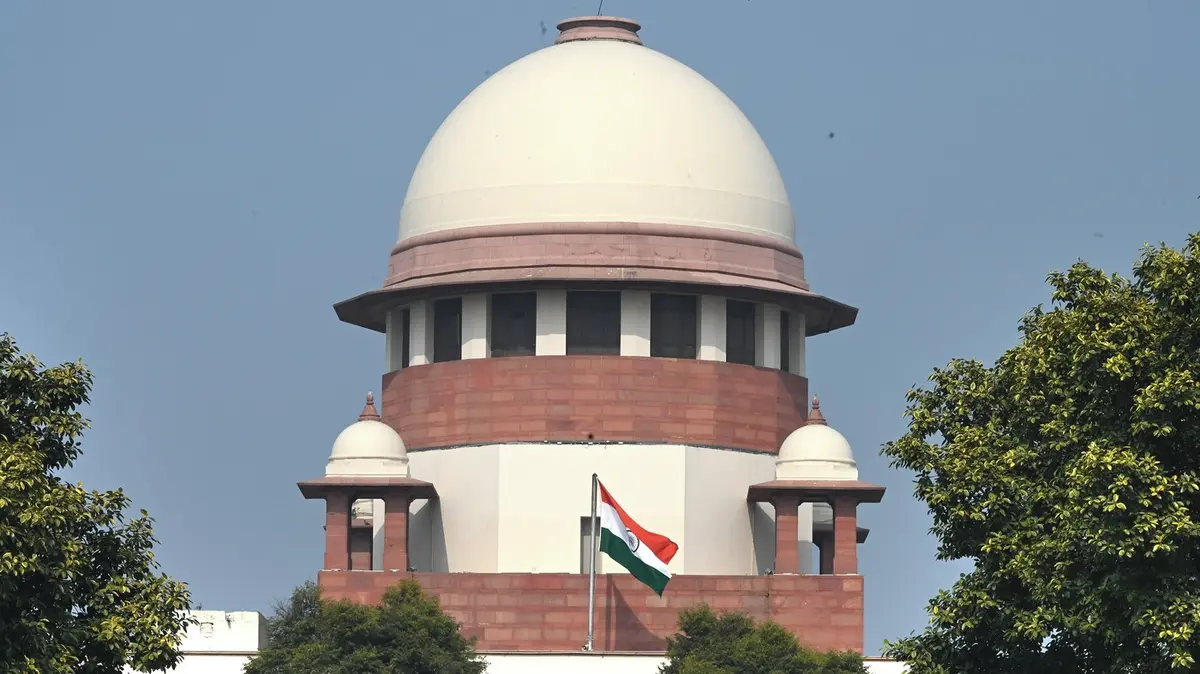
The petition, which the Supreme Court dealt with, was filed by attorney Šailendra Mani Tripáthí. He stated that he hoped that working women would get two to three days off. However, the judges decided that the law would, on the contrary, harm women and deepen the stereotypes that they do not belong in the workplace, reports the BBC.
The topic of menstrual leave has been dividing Indian society for a long time. Many people agree with the judges’ opinion, while others say that a day or two off would help women dealing with painful periods. A number of Indian states and private companies have already introduced this leave.
Lawyer and health expert Sukriti Čauhánová stated that the court only continues to taboo menstruation. By denying menstrual leave, it also denies women the legally guaranteed right to “dignity, gender equality and safe working conditions at the workplace”. “Providing menstrual leave not only supports women’s health and well-being, but also supports productivity and performance in the workplace,” added Čauhánová.
The stigmatization of menstruation is still very strong in India. For example, menstruating women are not allowed to go to temples and in the home they often have to isolate themselves from the rest of the family as “unclean”. It is therefore possible that even if the petition were granted, many women would be afraid to ask for time off.
The measure rejected by the court can still be implemented by the Indian government. Menstrual leave has already been introduced by countries such as Spain, Japan, South Korea and Indonesia, while studies show that it benefits women.
