
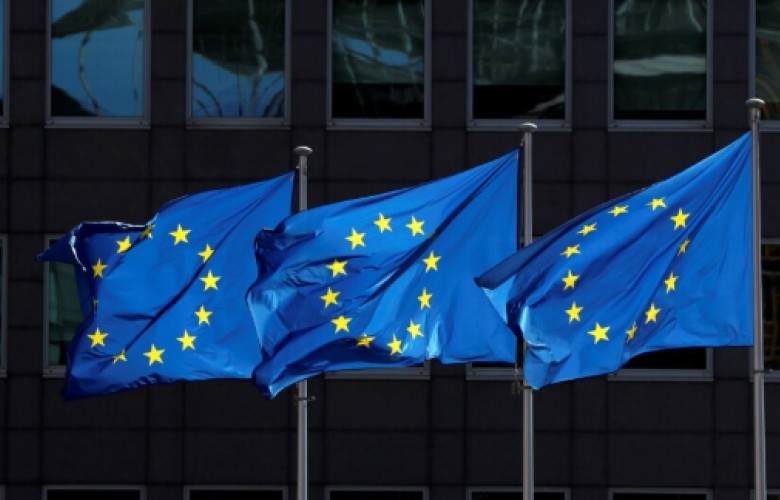
The European Union has expressed concern regarding the approval by the Assembly of Kosovo of changes to the Law on Specialized Chambers and the Office of the Specialized Prosecutor.
Officials in Brussels estimate that the voting of these changes contradicts Kosovo’s international obligations and have requested that Pristina respect the independence and mandate of the Specialized Chambers.
“The EU has continuously supported the work of the Specialized Chambers of Kosovo as an independent judicial institution, established by decisions of the Assembly of Kosovo in the years 2014-2015, that operates within the legal system of Kosovo and is sanctioned in the Constitution of Kosovo. Their current mandate and their independence must be fully respected”, declared a spokesperson of the European Union.
According to the EU, the Specialized Chambers are conducting court proceedings on the basis of the principle of individual criminal responsibility. Brussels has emphasized that Kosovo’s institutions must guarantee that these processes continue independently and without interference.
“We call on Kosovo to adhere to its international obligations to guarantee the judicial independence of the Specialized Chambers of Kosovo, as well as the commitment to ensure accountability and provide justice to victims and their families from all communities in Kosovo,” said the EU spokesperson.
The reaction of the EU comes after the Assembly of Kosovo, in an extraordinary session, approved changes to the law that regulates the operation of the Specialized Chambers and the Specialized Prosecutor’s Office.
The approved amendments envisage a narrowing of the jurisdiction of the Specialized Chambers, limiting it mainly to allegations of organ trafficking and crimes directly related to them. The draft law also changes the time and territorial period for the offenses that can be subject to trial.
Among other changes is the determination of a maximum sentence of 15 years of imprisonment, the possibility of a presidential pardon, as well as the transfer to Kosovo of cases that will not be included in the new jurisdiction.
